Your East Texas Tree-Care Year: What to Do and When
By East Texas Tree Doc ·

East Texas trees put up with a lot: heavy clay that holds water, long dry summers, spring storms, and tropical rain and wind out of the Gulf. From Longview and Marshall to Tyler and Kilgore, good timing does more for a tree than almost anything else.
An East Texas tree care calendar built for our weather
Tree care comes down to looking trees over a few times a year, getting water and mulch right, and catching changes early. The hard part is knowing when. This calendar leans on Texas A&M AgriLife Extension and the Texas A&M and USDA Forest Services. Anything up in the canopy belongs to a qualified tree crew.
Winter: December, January, and February
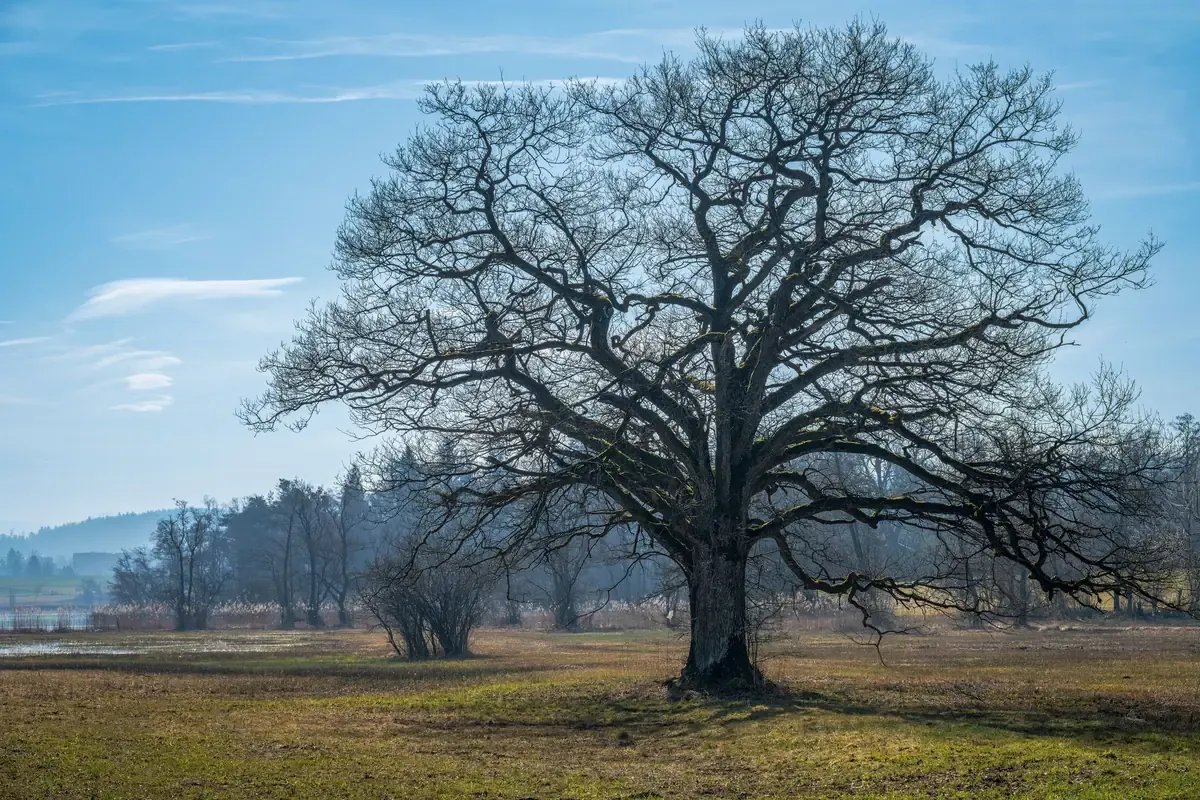
December: one last look for the year
With the leaves off, December shows a tree’s bones. Check each tree for dead limbs, cracks, cavities, or any new lean. Look for mushrooms, conks, or shelf-like growths on trunks and roots, plus any wood that looks soft or crumbly.
Take dated photos of your main trees from the same spots. Water newly planted trees in long dry spells, even in winter. Put a yearly assessment on the calendar for the trees that matter most.
Update, Nov. 2026: East Texas went into fall in drought. Burn bans went up across the region in August, and much of East Texas got less than a quarter of its normal October rain. If it stays dry, keep deep-watering through dormancy, and watch your pines closely next year. Beetles often go after pines stressed by a dry year.
January: mulch, soil, and a plan
Bare branches make it easy to spot tight forks where bark gets pinched between two stems, and dead or hanging limbs over the house, driveway, or play areas. After ice or a hard freeze, look for broken limbs.
Pull mulch back off the trunk and spread a flat ring two to three inches deep. Send soil samples from tree areas to the Texas A&M AgriLife soil lab. On our clay soils, midwinter is the time to fertilize, but only if the soil test says your trees need it. Then list your most valuable trees and what each needs this year.
February: get to know your pines
Late winter is a good time to look over your loblolly and shortleaf pines. Check trunks for pitch tubes, small globs of sap running from creamy white to reddish brown. Look in bark cracks and around the base for reddish boring dust, and look for tiny holes about the size of a pencil lead.
Beetles go after stressed pines, so note any pine hit by drought, storm damage, or construction, and water pines in long dry spells. For high-value pines, ask an arborist about preventive treatment.
Spring: March, April, and May
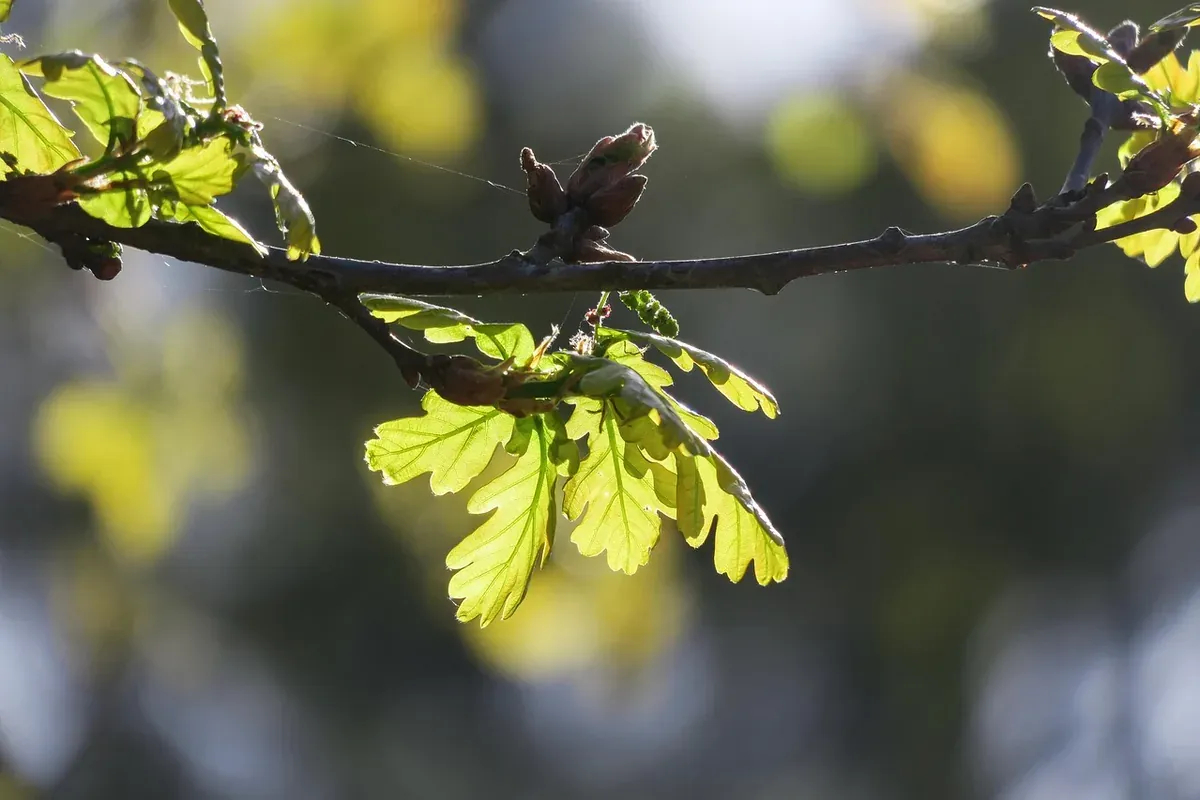
March: leaf-out tells the story
As trees leaf out, compare each one with its neighbors. Write down leaves that come in smaller, paler, or thinner than last spring, and limbs that stay bare while the rest greens up.
Spring is one of two main windows for trunk injections. If one is planned, schedule it while the soil is moist. Keep checking pines for beetle signs as it warms up. Keep mower decks and weed eaters off trunks, too.
April: know your risk trees before the wind does
April falls in our peak tornado months, March through May. Note which trees could reach the house. At the base of big trees, look for cracked or heaving soil, a new lean, or mushrooms and shelf-like growths near the root flare.
Move swing sets, grills, and trailers out from under limbs that worry you. Schedule an assessment for any tree near the house that concerns you. Leave trees near power lines to the utility or a line-clearance crew.
May: protect roots before the dig
Most construction damage to trees happens underground at the roots and often doesn’t show for years. Bring in an arborist while plans for slabs, trenches, and driveways can still change.
Fence off a root zone about one foot out for every inch of trunk width, and keep parking, digging, and stacked materials out of it. Three inches of mulch inside the fence cushions the soil. If the grade has to go up, add no more than about two inches of fill a year.
Summer: June, July, and August
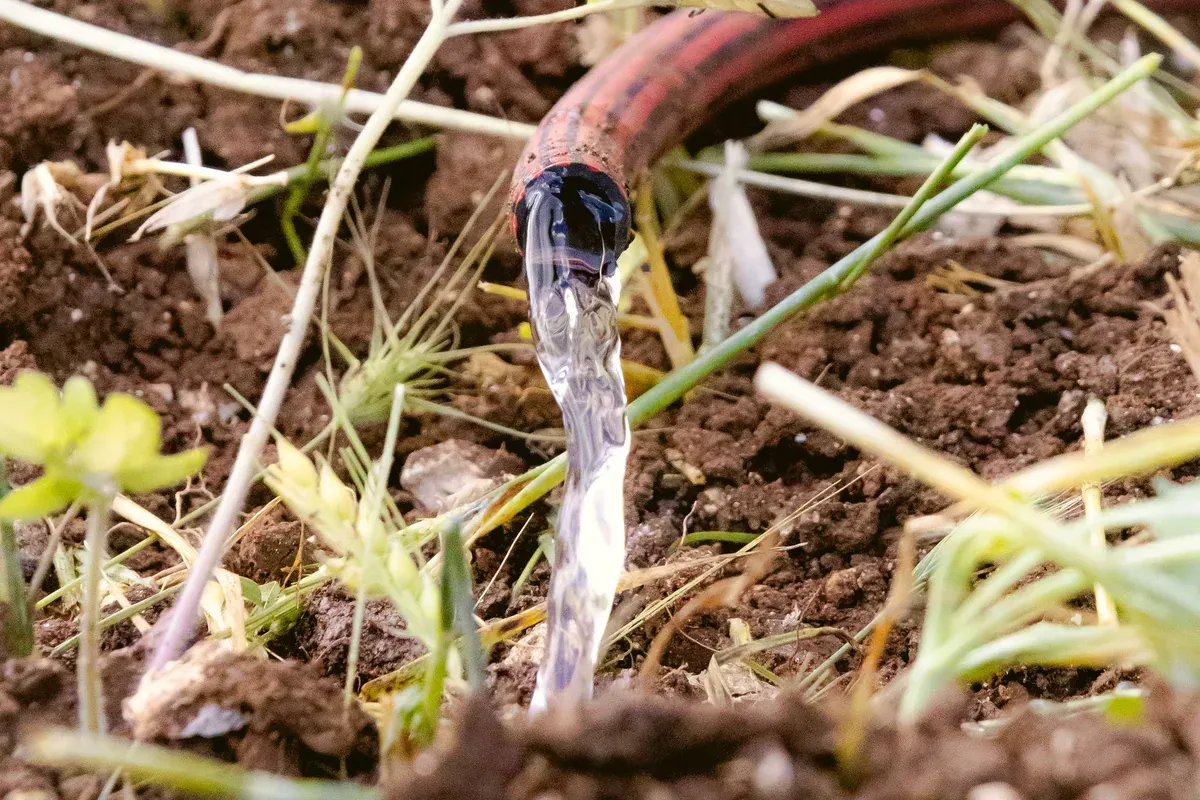
June: set up a deep-watering routine
Hurricane season starts June 1, and the heat settles in. If a screwdriver won’t slide six to eight inches into the soil, it’s time to water. Water slowly at the edge of the canopy, not at the trunk, and skip the hottest part of the day, from about 10 in the morning to 6 in the evening.
Top up mulch to two to three inches, kept off the trunk, and check your city’s watering rules. Have worrisome trees near the house looked at before the busiest hurricane months.
July: watch for drought stress
July often starts our hottest, driest stretch, and trees don’t store much water. Give established trees a slow, deep soak every two to three weeks, wetting the soil eight to ten inches deep around the dripline. Newly planted trees need water two to three times a week in the heat.
Skip fertilizer while trees are drought stressed, and keep digging and vehicles off root zones. Curled or drooping leaves, scorched edges, early leaf drop, and thinning at the top of the crown mean a tree is struggling.
August: late-summer pine check
Late summer is prime time for pine beetle trouble, especially on drought-stressed trees. In this heat, an attacked pine can go from green to red in about three weeks. Check every pine for pitch tubes, boring dust, and small holes, and look up, since fading often starts at the top.
Keep watering deeply, and hold off on fertilizer from August 1 until around the first frost. On stressed oaks and elms, watch for bark falling away to show a gray, brown, or black crust.
Fall: September, October, and November

September: after the rain, choose your trees
After heavy tropical rain, check big trees for new lean or roots lifting. Drought stress lingers, so keep watering if rain stays scarce, and note leaves browning early on stressed trees.
Cooler nights mean planting season is near. Pick trees that suit your soil, drainage, and space. Water standing a day or more in a test hole means slow drainage. Keep trees that top 15 feet at maturity away from power lines, and have utility lines marked through 811 before you dig.
October: take stock as storm season winds down
Once it’s safe, look for broken limbs hanging in the canopy, and stay clear of downed lines. Leave hanging limbs to a qualified tree crew, and don’t let anyone top a storm-damaged tree. Splits where two trunks meet, torn bark, a new lean, or less than half the crown left are reasons to schedule an assessment.
Fall is also the second main window for trunk injections and preventive pine treatments, while the soil is still moist. Ask an arborist whether any of your trees belong on a fall treatment plan. Our tree injections page has more on timing.
November: plant wide, then wrap up the year
November is prime planting time here, and new roots keep growing through winter. Dig a hole at least twice as wide as the root ball but no deeper, and set the root flare at grade. Take off burlap, wire, or twine, backfill with the soil you dug out, water well, and mulch. Don’t fertilize new trees in their first growing season. Then refresh mulch rings around other trees, two to three inches deep and pulled back from trunks.
When to bring in an arborist
Most tree problems give warning. It’s worth having an ISA Certified Arborist take a look if you notice:
- A crack that runs into the wood of the trunk
- A new lean, or soil lifting on one side
- Mushrooms or shelf-like growths on the trunk or root flare
- Large dead or hanging limbs over the house or driveway
- Pitch tubes, boring dust, or fading needles on a pine
- Roots cut or soil piled up during construction
If a tree or limb is on a house or power line, stay clear and let your utility know right away. For anything else, a tree risk assessment shows you where things stand, so you can plan instead of guess.